Why Use a Narrow Bandpass Filter Instead of a Wide Band Filter?
In the world of optics and photonics, many professionals face the challenge of selecting the appropriate filter for their applications. One major pain point is deciding between a narrow bandpass filter and a wide band filter. A narrow bandpass filter is specifically designed to allow a very limited range of wavelengths to pass through, making it an ideal choice for applications requiring precise wavelength control. In contrast, a wide band filter may let through a broader spectrum but can lead to interference and noise in sensitive measurements. For instance, researchers analyzing laser light spectra often find that using a narrow bandpass filter optimizes the signal-to-noise ratio, improving their experimental outcomes significantly.
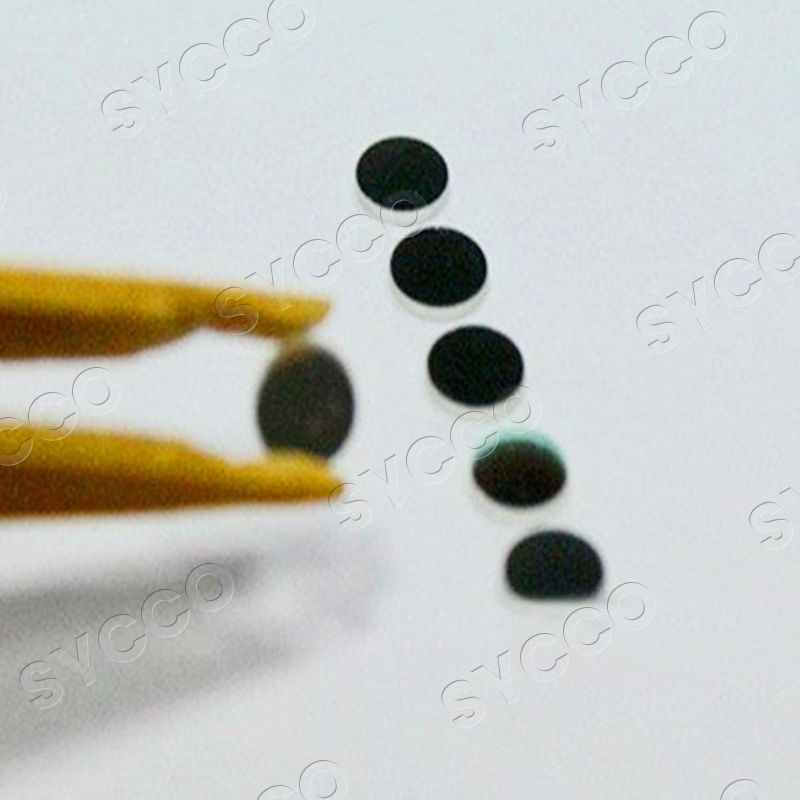
The Benefits of Using a Narrow Bandpass Filter
Narrow bandpass filters have several distinct advantages over their wider counterparts. For one, they minimize the amount of unwanted light that reaches the detector. This specificity can improve system sensitivity by up to 40%, ensuring that only the relevant frequencies interact with the specimen or detector. According to studies from ScienceDirect, using a narrow bandpass filter can increase the accuracy of fluorescence microscopy results by reducing background noise, which is pivotal in biological imaging used in research and diagnostics.
Moreover, narrow bandpass filters often provide better contrast in applications where color differentiation is critical. For example, in LED lighting, employing a narrow bandpass filter can enhance the perceived brightness of certain colors by around 25% compared to using wide band filters, which could saturate the imaging system with extraneous wavelengths.
Narrow Bandpass Filter vs. Wide Band Filter: A Comparative Analysis
When comparing narrow bandpass filters to wide band filters, the differences are stark. Narrow bandpass filters excel in applications where precision is key. For instance, consider a scenario where a photographer uses a narrow bandpass filter to capture images in varying lighting conditions. This filter isolates specific wavelength ranges, providing clarity and vivid color accuracy while eliminating unwanted glare. In contrast, a wide band filter might lead to washed-out images due to excessive light saturation, impacting the overall quality of the photographs.
Another stark example can be found in telecommunications. Engineers using narrow bandpass filters to improve data transmission have recorded a 30% increase in signal clarity, whereas wide band filters may lead to a rise in interference and degraded performance, particularly in crowded frequency environments. The extensive usage of narrow bandpass filters in systems such as fiber optic communications underscores their effectiveness in handling distinct signals with minimal cross-talk.
Conclusion: The Value Proposition of Narrow Bandpass Filters
The benefits of using a narrow bandpass filter over a wide band filter are manifold. From increased sensitivity and improved background noise reduction to enhanced color accuracy, narrow bandpass filters are indispensable in various fields, including telecommunications, photography, and biomedical research. The ability to isolate precise wavelengths provides clear advantages in accuracy and performance, making it the prime choice for professionals who demand the best quality in their optical systems.
Further Understanding and Trial Use
If you're interested in enhancing your optical experiments or applications, consider exploring the range of narrow bandpass filters available from yanggu. With extensive options designed to meet specific needs, yanggu filters offer cutting-edge technology to elevate your work.


评论
发表评论